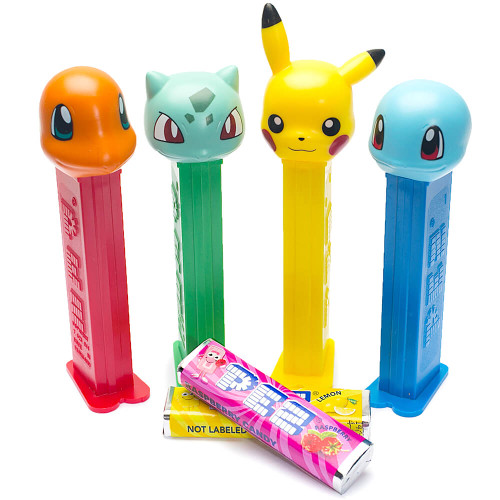
This project was never released due to cost concerns. For context, we were trying to dispense an object critical to the single-serve coffee-brewing process 😉
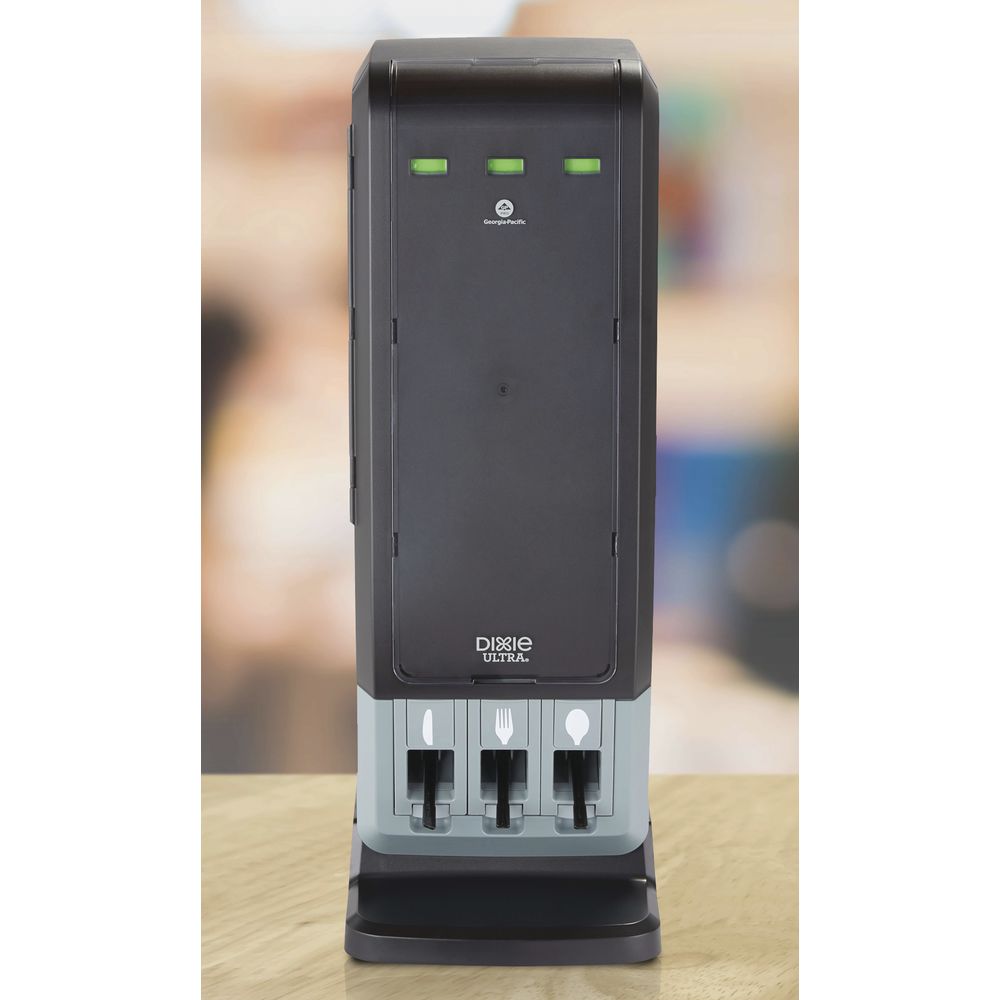
This project started as an addition to the post-Covid return-to-office environment. A device that can dispense an object easily, with minimal touchpoints involved, has the potential to reduce the spread of viruses in an office environment. The operating principle is similar to utensil dispensers found in cafeterias across the US:

In stark contrast to an over-engineered, sanitary dispenser: the Wal-Mart bargain DVD bin.
There are a few factors that greatly affect how easily an object can be reliably dispensed:
- Symmetry: An object with symmetry about multiple axes will have less unique orientations. Accounting for unique orientations increases the mechanism complexity and the probability of clogging or the item getting stuck.
- Smooth Transitions in Geometry: smoother geometry and gradual curves reduce the probability of clogging, as parts are less likely to “bind” and get caught on each other.
- Orderly Placement of Objects: Even if the object to be dispensed is not symmetrical in every direction, placing it into the machine in a predictable manner can save a lot of headache. If you know which way it will be facing when it reaches the exit, you can easily separate it from the following object.
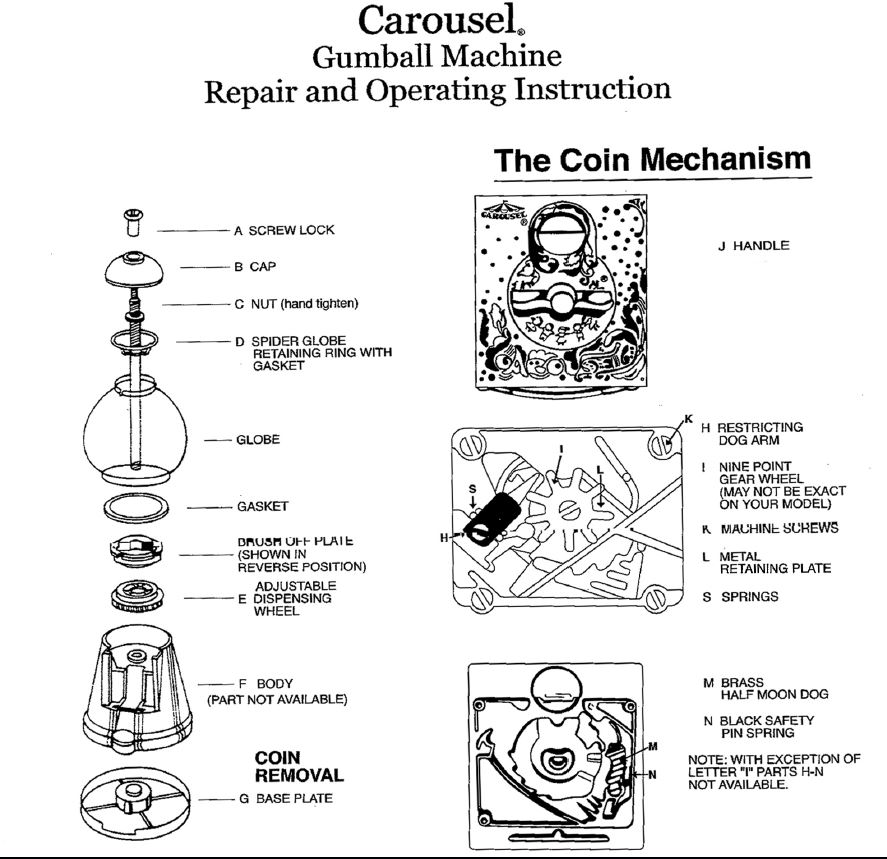
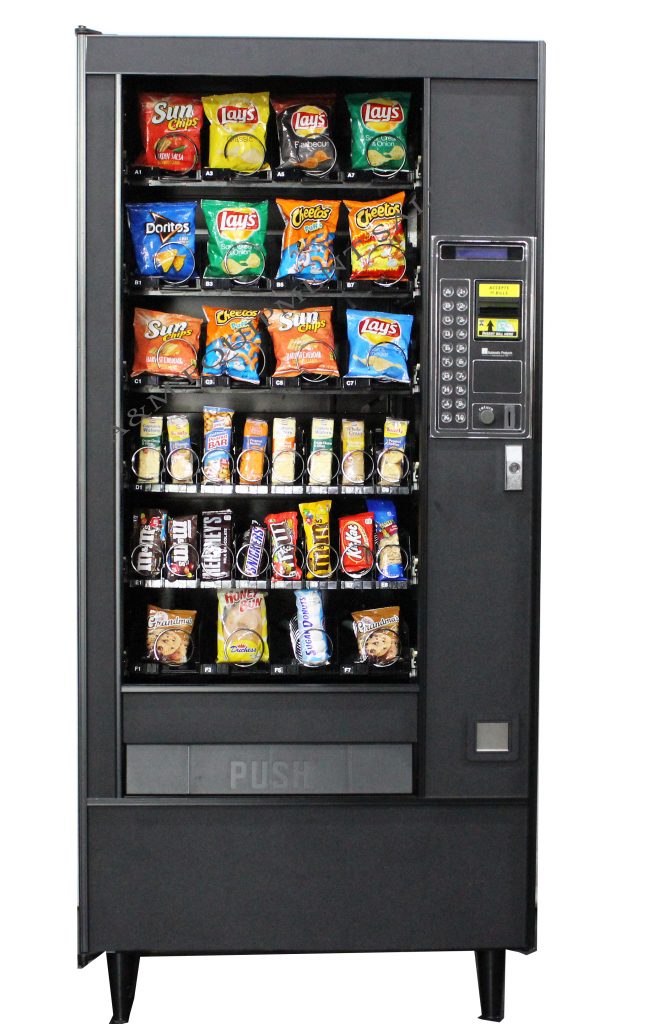
Of these 3 factors, our object had 1. It was axially symmetric, but not smooth, or placed orderly. To place them in orderly, the user would have to touch the object, increasing the risk of disease transmission.
Another constraint that we had to deal with was power. We couldn’t use sensors or motors to accomplish the task of dispensing. This prevented us from implementing something that other machines use: a fill level sensor.
The single point of contact, which could be activated by a coffee mug or other object, also posed a challenge:

Our design drew from existing dispense lever geometry in other products, but was specifically sized for the object we were trying to dispense.
The metrics we used for how well this device performed were:
- Clog Percentage: How often did the use press the lever without getting an object?
- Over-delivery Percentage: How often did the user get more than one object when pressing the lever?
The majority of the iterations of this design past the rough prototyping stage were done by a handful of mechanical engineers trying different mechanisms to improve these metrics.
In the process, I learned how to prototype hinges with piano wire, make linkages out of screws and plastic, make sliding multi-stage motion mechanisms, size springs, and convert a prototype concept for manufacturability.
 Joe Brown